
Wilmington Office of Economic Development FAQ
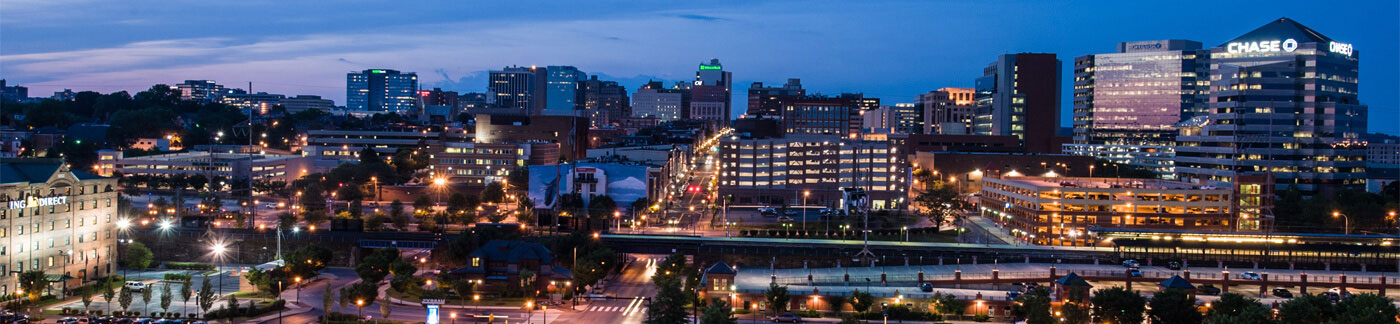
Wilmington, Delaware, sits in the center of the Northeast Corridor. Within a few hours, businesses can reach New York, Washington, Philadelphia, and Baltimore. One out of three Americans lives within 350 miles of the city.
This FAQ provides decision-makers with direct answers on business support, incentives, workforce development, and quality of life in Wilmington.
Frequently Asked Questions
The Wilmington Office of Economic Development (OED) supports a diversified local economy for the City of Wilmington, Delaware. The office works to attract new employers, support existing firms, and increase job access for residents.
OED supports retail, commercial, cultural, entertainment, and educational projects. It also provides assistance to small, minority-owned, and women-owned businesses through training and technical support programs.
Businesses and developers can contact OED directly:
Office of Economic Development
Louis L. Redding City/County Building
800 N. French Street, 3rd Floor
Wilmington, Delaware 19801
Hours: 8:30 a.m. - 4:30 p.m.
Phone: (302) 576-2120
Fax: (302) 571-4326
Staff can give guidance on site selection, incentives, licensing, and development review.
Wilmington provides direct access to major East Coast markets via Interstate 95, Amtrak, and SEPTA regional rail.
Travel times include:
- Philadelphia in about 30 minutes
- Baltimore in about 60 minutes
- New York City can be reached by train in about 1.5 hours.
- Washington, D.C., in about 1.5 hours by train
- Boston and Raleigh in about 6 hours by car
The regional labor shed exceeds 6 million people. Businesses get access to customers, talent, and suppliers across the Mid-Atlantic and Northeast.
Wilmington offers multimodal access:
- Interstate 95, 295, and 495
- Amtrak Northeast Corridor service at Wilmington Station
- SEPTA regional rail to Philadelphia
- New Castle County Airport for corporate aviation
- Philadelphia International Airport is about 25 minutes away.
- Port of Wilmington deepwater marine terminal
The Port handles more than 400 ships and about five million tons of cargo each year. It ranks as North America’s top port for imported fresh fruit and juice concentrate. The Port also includes large refrigerated and fumigation facilities.
Businesses operating inside city limits must obtain:
- A State of Delaware business license
- A City of Wilmington business license
Companies that want to bid on city contracts must complete a vendor application through the Division of Procurement and Records.
Commercial Services Parking Permits are available for $250 per vehicle per year. The permit exempts from certain time limits and limits the use of the loading zone. The permit does not waive meter payment requirements.
The City of Wilmington offers several incentive tools:
- Strategic Fund for job creation and retention agreements
- Property Tax Abatement Program for new construction and rehabilitation
- Downtown Development District rebate up to 20 percent of qualified investment
- Opportunity Zone investment areas
- Architectural and engineering feasibility grant with a 50 percent match up to $15,000
Many programs use performance agreements. Wage tax revenue often offsets public investment within two to three years.
State programs administered through Delaware agencies include:
- Angel Investor Tax Credit
- Delaware Strategic Fund grants and low-interest loans
- EDGE Grants up to $100,000 for STEM firms and $50,000 for non-STEM firms
- Workforce Training Grant up to $100,000 per project
- Brownfield Assistance matching grants
- Tax-Exempt Bond Financing for Nonprofit Organizations
- State Small Business Credit Initiative participation loans
Several programs require review by the Council on Development Finance. OED can guide applicants through eligibility and process steps.
- New construction
- Alterations and demolition
- Electrical, plumbing, and mechanical work
The City provides a Development Review Process guide. Applicants pay permit and inspection fees that fund review costs.
Reviews may include:
- Zoning compliance
- Building plan review
- Fire protection systems
- Public Works and sewer approval
- Historic district design review, where applicable
City Code governs all decisions. Interpretation documents offer guidance but do not override adopted regulations.
FinTech and Financial Services
Wilmington serves as a major financial center. National and international institutions operate in the region. Delaware law supports corporate formation and financial services activity.
Legal Services
Wilmington is home to the Delaware Court of Chancery, the nation’s oldest business court. More than 65 percent of Fortune 500 companies are incorporated in Delaware. Law firms and corporate service providers cluster near the court.
Healthcare
ChristianaCare operates major facilities in the city. Healthcare represents one of the largest employment sectors for residents. Employment growth in the sector has exceeded 100 percent over a 10-year period, according to census data.
Professional Services and Technology
Engineering, scientific research, marketing, and consulting firms operate in the city. The sector ranks among the largest local employers.
Logistics and Port Operations
The Port and regional highway access support maritime services, logistics consulting, and distribution activity.
Wilmington is part of the Philadelphia-Camden-Wilmington metro area. The labor force exceeds 6 million people. The region reports one of the highest concentrations of doctoral degrees in health, science, and engineering in the nation.
More than 100 colleges and universities operate within the wider region. Key institutions include:
- University of Delaware
- Delaware Technical Community College
- Wilmington University
The average commute time is about 21 minutes. About 12 percent of workers use public transit.
- Workforce Training Grant funding
- Delaware Works job placement and training services
- Customized training through Delaware Technical Community College
- Industry-recognized certification programs at Wilmington University
Many programs include employer advisory boards. Training can occur on-site or at campus locations.
- Class A and Class B office space
- Light industrial properties near I-95 and I-295
- Retail sites in downtown and neighborhood corridors
- Mixed-use redevelopment sites
- Coworking and incubator space
The city maintains an inventory of available sites and buildings. OED assists site selectors with data requests and property searches.
- Urban parks along the Brandywine and Christina Rivers
- Access to Delaware beaches within about 90 minutes
- Restaurants, arts venues, and neighborhood retail
- Short rail trips to major East Coast cities
The Department of Parks and Recreation maintains public parks and recreation programs. Residents can access both urban amenities and regional coastal destinations.
The Wilmington Office of Economic Development provides:
- Demographic and labor market data
- Incentive guidance
- Site availability reports
- Introductions to state and regional partners
Contact OED directly by phone or email to request customized information. Staff responds with verified data and next steps for evaluation.